Step 2: Your project proposal
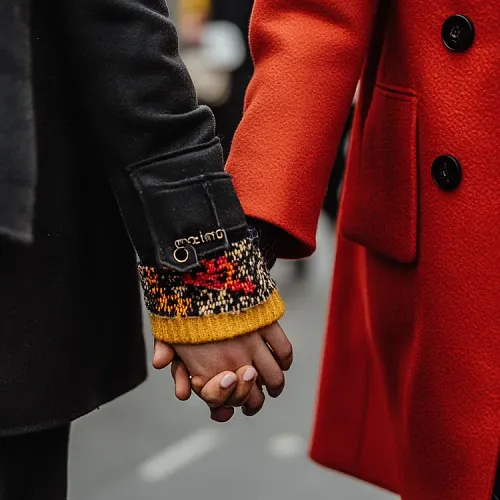
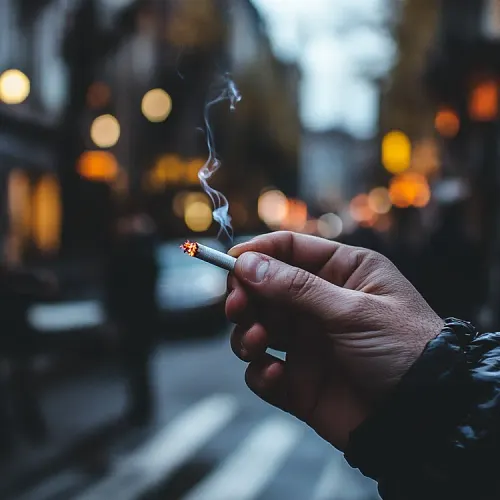
My journey with “Hands of the City: Stories in Focus” is headed toward a deeper exploration of the connections between people and their environment through the smallest details—capturing the essence of human life through close-up photographs of hands.
The aim is to develop a visual narrative that not only highlights individuality but also speaks to the collective experience of urban living. To map out this vision, Playbook templates will be incredibly helpful in organizing and executing the project.
Here’s how I plan to use them:
• Moodboards: I will create moodboards that reflect the aesthetic tone of the project. These boards will feature the color palettes, lighting styles, and textural inspiration I want to explore. I’ll use reference images of hands, urban life, and close-up photography to solidify the project’s visual direction. Each board will evolve as I gather new shots, offering guidance throughout the creative process.
• Project Timelines: The timelines will help me map out when and where I will be shooting in different parts of the city, allocating time for each phase from initial scouting to final edits. This will ensure I stay on schedule while incorporating room for spontaneous opportunities as I encounter people and moments on the streets.
• Mocks and Prototypes: I’ll use Playbook’s tools to mock up sample compositions, testing different framings, angles, and storytelling methods. These prototypes will help me visualize how the final series of photographs will come together and guide my choices in post-production.
• Detailed Plans: I will outline how the Imagination Fund will be utilized to enhance this project, from new equipment purchases (like a macro lens for extreme detail shots) to funding travel to other cities for a broader range of subjects. Each phase will have a clear action plan, from concept refinement to final exhibition or publication.
By using these templates to structure my workflow, I can map out a clear path for taking this project from idea to reality, ensuring that each step is aligned with my creative vision. Playbook’s tools will allow me to bring clarity, consistency, and structure to the project while still leaving room for the creative flexibility that is so crucial to street photography.

Build your own visual library
Playbook is a free, collaborative way to organize anything visual.
Try Playbook for freeStep 2: Your project proposal
My journey with “Hands of the City: Stories in Focus” is headed toward a deeper exploration of the connections between people and their environment through the smallest details—capturing the essence of human life through close-up photographs of hands.
The aim is to develop a visual narrative that not only highlights individuality but also speaks to the collective experience of urban living. To map out this vision, Playbook templates will be incredibly helpful in organizing and executing the project.
Here’s how I plan to use them:
• Moodboards: I will create moodboards that reflect the aesthetic tone of the project. These boards will feature the color palettes, lighting styles, and textural inspiration I want to explore. I’ll use reference images of hands, urban life, and close-up photography to solidify the project’s visual direction. Each board will evolve as I gather new shots, offering guidance throughout the creative process.
• Project Timelines: The timelines will help me map out when and where I will be shooting in different parts of the city, allocating time for each phase from initial scouting to final edits. This will ensure I stay on schedule while incorporating room for spontaneous opportunities as I encounter people and moments on the streets.
• Mocks and Prototypes: I’ll use Playbook’s tools to mock up sample compositions, testing different framings, angles, and storytelling methods. These prototypes will help me visualize how the final series of photographs will come together and guide my choices in post-production.
• Detailed Plans: I will outline how the Imagination Fund will be utilized to enhance this project, from new equipment purchases (like a macro lens for extreme detail shots) to funding travel to other cities for a broader range of subjects. Each phase will have a clear action plan, from concept refinement to final exhibition or publication.
By using these templates to structure my workflow, I can map out a clear path for taking this project from idea to reality, ensuring that each step is aligned with my creative vision. Playbook’s tools will allow me to bring clarity, consistency, and structure to the project while still leaving room for the creative flexibility that is so crucial to street photography.