V I C ~ X U

  • Instagram
  • Website

V I C ~ X U

Over the past year, I've been visiting the gardens hidden on the outskirts of the ever-growing city of HangZhou, a city known for hosting China's tech giant Alibaba and the beloved scenery of the West Lake. In contrast, in these gardens I felt a different pace and acclaim. I found a quiet beauty that did not ask for attention, and instead spoke of slowness that offered grounding and patient lessons from the Earth and those that tended to it.

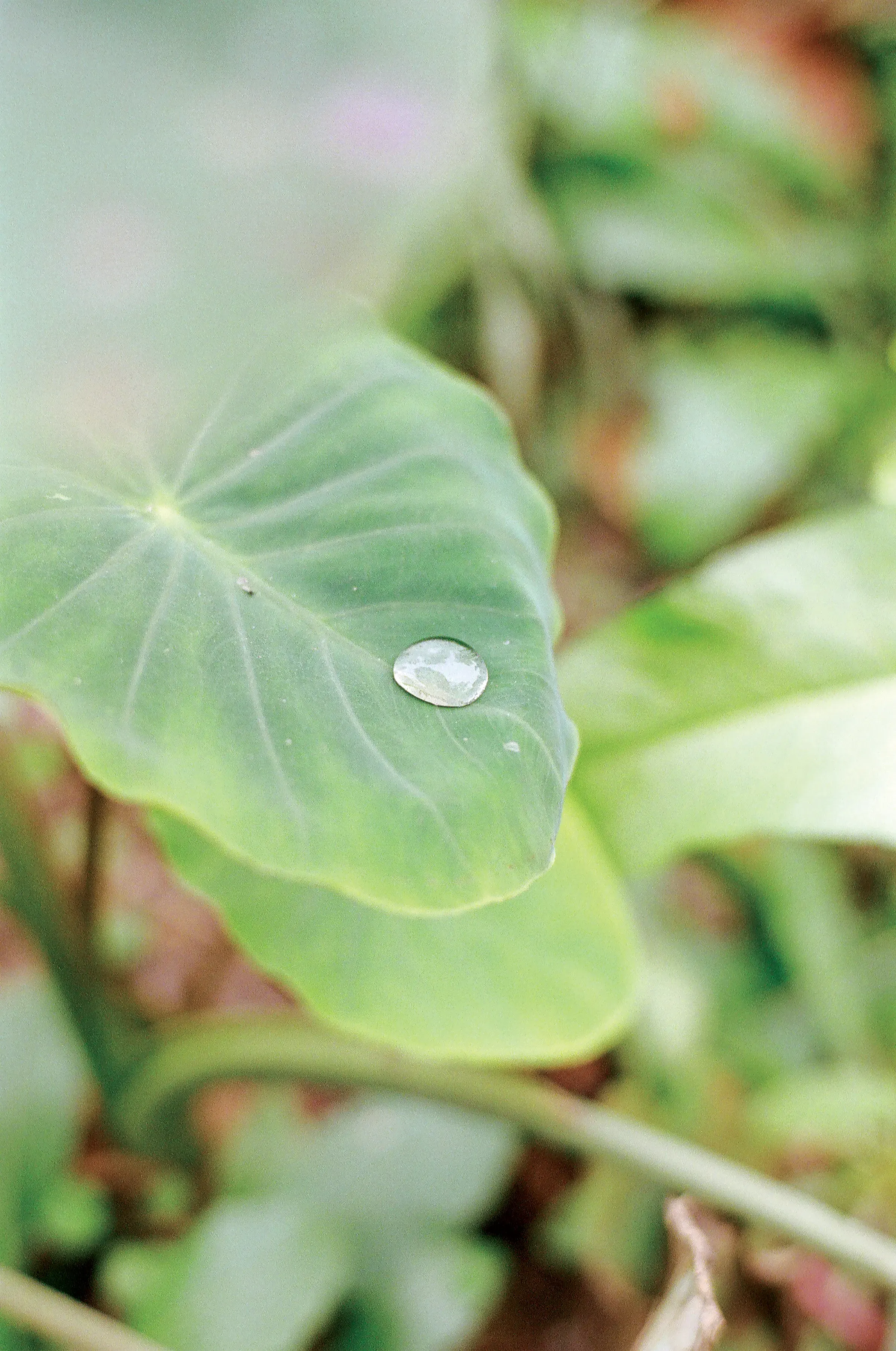
Drop of dew on a taro leaf, Fall 2024.

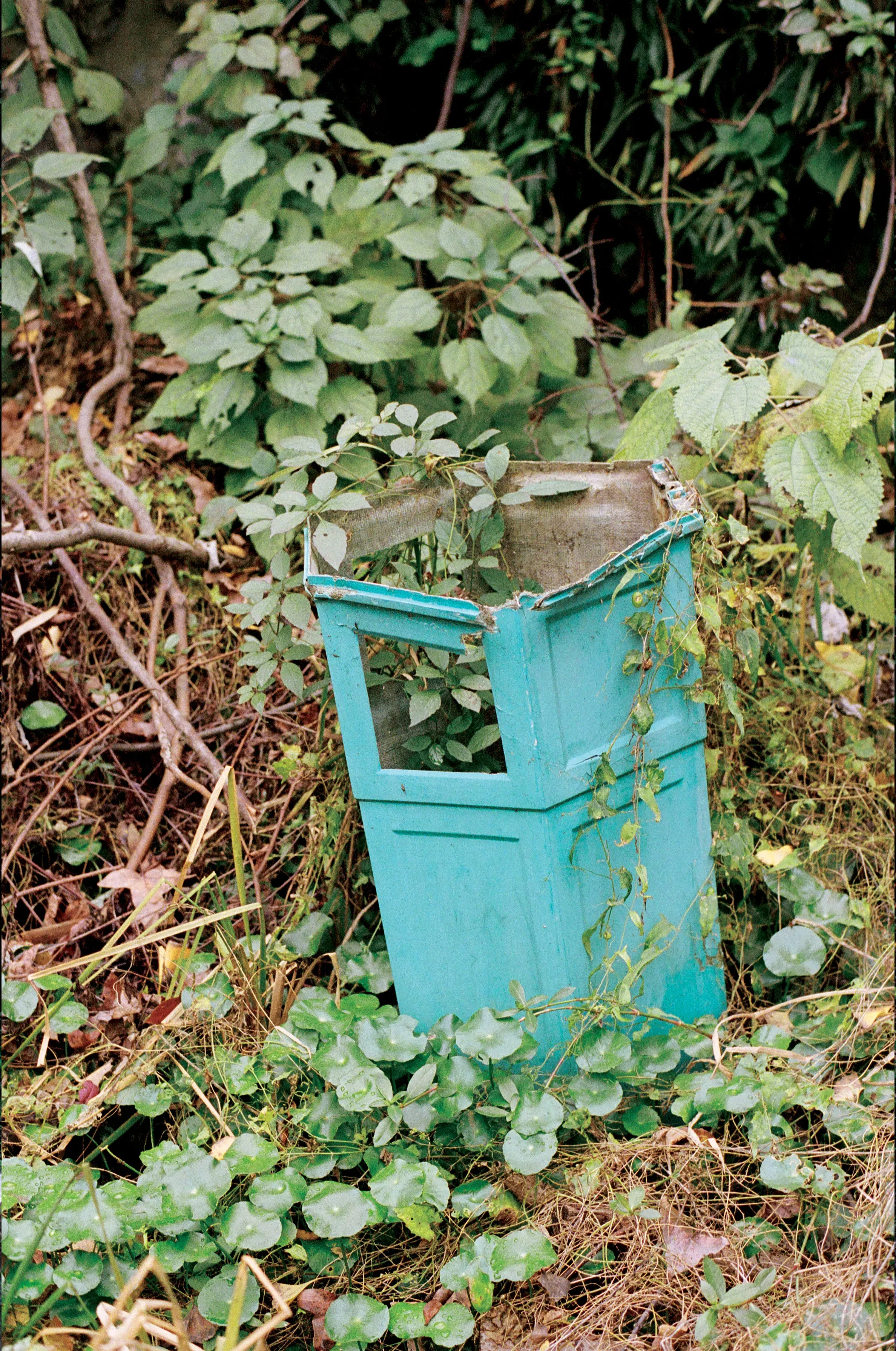
Hidden in streambeds, behind walls of vines, in the cracks and crevices of manicured urban development, these garden spaces grew side by side with a wild that seemed to make a home again from that which is forgotten about in urban construction and decay.

In a city where so many parks, malls, and buildings feel caught up in a cycle of newness, polish, and the speed that it takes to maintain image, these gardens were some of the only places it felt like I saw a full life cycle - from growth, to death, to regeneration. It was all there, woven together as it has always been.

In the cracks of urban ecologies, hidden where the weeds grow back, are also gardeners that coax abundance from the tangles, clear the underbrush, and build garden beds on crumbling concrete. They generously taught me about the seasons, gifted me fresh produce, and told me of changing climate that was known from their long relationship with the seasons here.

An auntie shows me her edamame harvest in the fall

In the River’s Wake

江退了以后,

我们就开始种了。[1]

You tell me how the planting began,

when the river retreated into a stream.


In the river's wake,

we found a sliver of land in the streambed,

between the concrete they covered the riverbanks with

and the line where the water retreated.

Soil rich with what the river left,

we grow worlds along the property edge

where water

again, gives us what cannot be owned.


Growing ways, you show me what's in your bones

as you unfurl your fingers,

and give me the green of what you've sown.

You show me how edamame warns of warming seasons,

and rotting bok choy signals missing frosts.

霜打过的青菜最好吃。[2]

Some knowings

tell us earthen memories.


Mud is moved on top of concrete,

creating beds to root climbing 南瓜 Nánguā [3].

River stones and discarded tiles meet,

weave into garden bed walls,

Growing tender 香菜 Xiāngcài and buried 红薯 Hóngshǔ [4]

among what urban sprawl threw away.

Some emptiness's

can still catch rainwater.


Here, where property forgets itself,

You hang a hat for the sunny days,

and joke with me on rainy mornings,

养好了孩子,养好了孙子,我们就养菜了, [5]

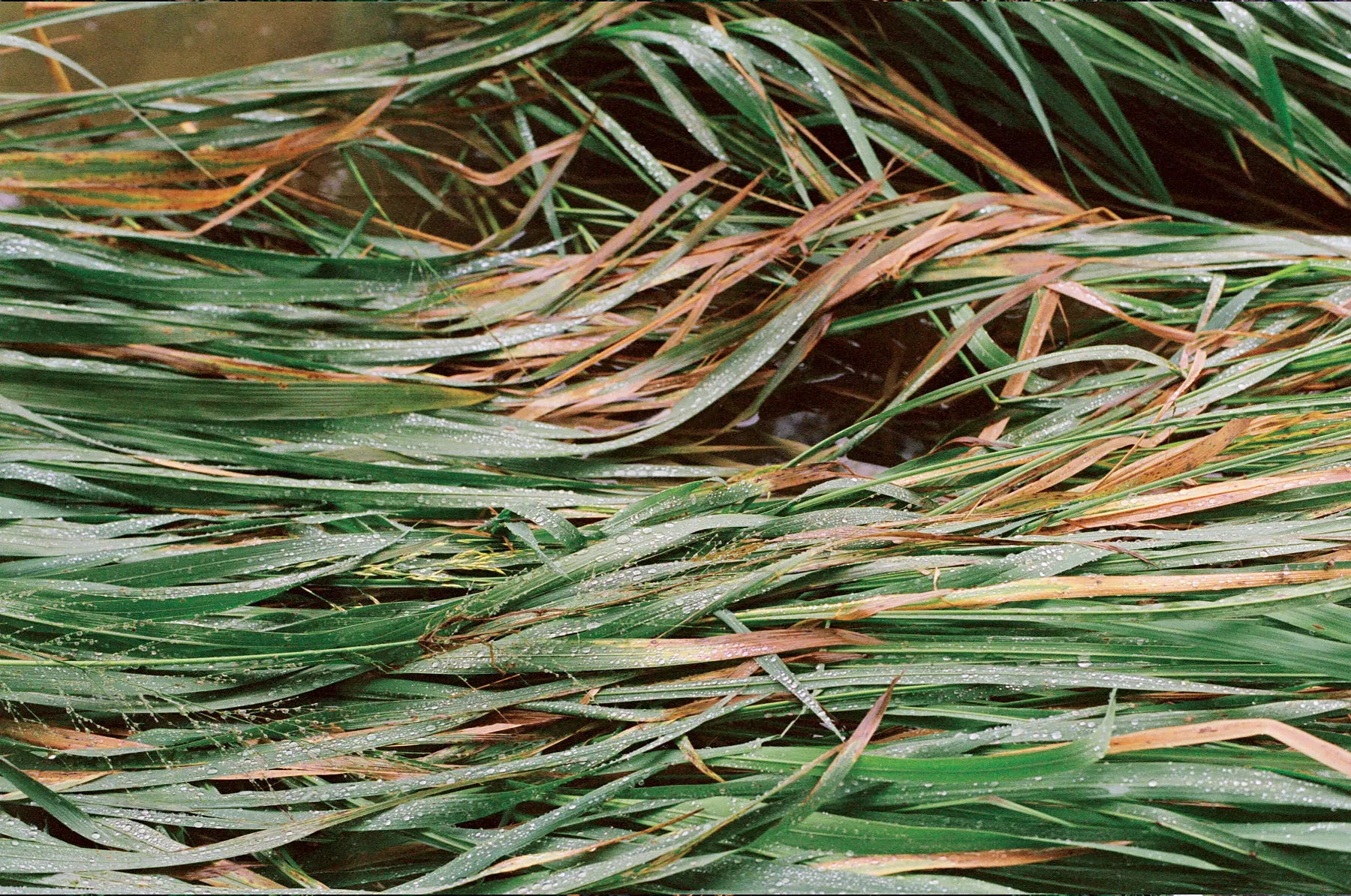
and trace the curving 茭白Jiāobái [6] grasses -

rainwater currents

sculpted bends in blades overnight.

In the river's wake,

you show me what can be grown hidden,

along the lines where property fails.

Where value, again, can be unwritten,

and woven back into the linings of

resting places,

beds to dream worlds we remember.

[1] 江退了以后,我们就开始种了. (Pinyin: Jiāng tuì le yǐhòu, wǒmen jiù kāishǐ zhòng le.) Direct translation: When the river retreated, we started planting.

[2] 霜打过的青菜最好吃。(Pinyin: Shuāng dǎ guò de qīngcài zuì hǎo chī。) Direct translation: Greens that have gone through the frost are the yummiest.

[3] 南瓜 (Pinyin:Nánguā)Direct translation: pumpkin

[4] 香菜 , 红薯 (Pinyin:Xiāngcài, Hóngshǔ)Direct translation: cilantro, sweet potato

[5] 养好了孩子,养好了孙子,我们就养菜了 (Pinyin:Yǎng hǎo le háizi, yǎng hǎo le sūnzi, wǒmen jiù yǎng cài le.)Direct translation: We’ve raised our children well, we’ve raised our grandchildren well, and now we’ll raise these vegetables well.

[6]  茭白 (pinyin: Jiāobái)Direct translation: wild rice or water bamboo

The way in which we can see decomposition feeding new abundances will always be a space of many wonders and certain magic.

Powered byPlaybook

V I C ~ X U

  • Instagram
  • Website

Over the past year, I've been visiting the gardens hidden on the outskirts of the ever-growing city of HangZhou, a city known for hosting China's tech giant Alibaba and the beloved scenery of the West Lake. In contrast, in these gardens I felt a different pace and acclaim. I found a quiet beauty that did not ask for attention, and instead spoke of slowness that offered grounding and patient lessons from the Earth and those that tended to it.

Drop of dew on a taro leaf, Fall 2024.

Hidden in streambeds, behind walls of vines, in the cracks and crevices of manicured urban development, these garden spaces grew side by side with a wild that seemed to make a home again from that which is forgotten about in urban construction and decay.

In a city where so many parks, malls, and buildings feel caught up in a cycle of newness, polish, and the speed that it takes to maintain image, these gardens were some of the only places it felt like I saw a full life cycle - from growth, to death, to regeneration. It was all there, woven together as it has always been.

In the cracks of urban ecologies, hidden where the weeds grow back, are also gardeners that coax abundance from the tangles, clear the underbrush, and build garden beds on crumbling concrete. They generously taught me about the seasons, gifted me fresh produce, and told me of changing climate that was known from their long relationship with the seasons here.

An auntie shows me her edamame harvest in the fall

In the River’s Wake

江退了以后,

我们就开始种了。[1]

You tell me how the planting began,

when the river retreated into a stream.


In the river's wake,

we found a sliver of land in the streambed,

between the concrete they covered the riverbanks with

and the line where the water retreated.

Soil rich with what the river left,

we grow worlds along the property edge

where water

again, gives us what cannot be owned.


Growing ways, you show me what's in your bones

as you unfurl your fingers,

and give me the green of what you've sown.

You show me how edamame warns of warming seasons,

and rotting bok choy signals missing frosts.

霜打过的青菜最好吃。[2]

Some knowings

tell us earthen memories.


Mud is moved on top of concrete,

creating beds to root climbing 南瓜 Nánguā [3].

River stones and discarded tiles meet,

weave into garden bed walls,

Growing tender 香菜 Xiāngcài and buried 红薯 Hóngshǔ [4]

among what urban sprawl threw away.

Some emptiness's

can still catch rainwater.


Here, where property forgets itself,

You hang a hat for the sunny days,

and joke with me on rainy mornings,

养好了孩子,养好了孙子,我们就养菜了, [5]

and trace the curving 茭白Jiāobái [6] grasses -

rainwater currents

sculpted bends in blades overnight.

In the river's wake,

you show me what can be grown hidden,

along the lines where property fails.

Where value, again, can be unwritten,

and woven back into the linings of

resting places,

beds to dream worlds we remember.

[1] 江退了以后,我们就开始种了. (Pinyin: Jiāng tuì le yǐhòu, wǒmen jiù kāishǐ zhòng le.) Direct translation: When the river retreated, we started planting.

[2] 霜打过的青菜最好吃。(Pinyin: Shuāng dǎ guò de qīngcài zuì hǎo chī。) Direct translation: Greens that have gone through the frost are the yummiest.

[3] 南瓜 (Pinyin:Nánguā)Direct translation: pumpkin

[4] 香菜 , 红薯 (Pinyin:Xiāngcài, Hóngshǔ)Direct translation: cilantro, sweet potato

[5] 养好了孩子,养好了孙子,我们就养菜了 (Pinyin:Yǎng hǎo le háizi, yǎng hǎo le sūnzi, wǒmen jiù yǎng cài le.)Direct translation: We’ve raised our children well, we’ve raised our grandchildren well, and now we’ll raise these vegetables well.

[6]  茭白 (pinyin: Jiāobái)Direct translation: wild rice or water bamboo

The way in which we can see decomposition feeding new abundances will always be a space of many wonders and certain magic.

Powered byPlaybook