
Short version: the best Air alternatives for creative agencies in 2026 are Frame.io, Brandfolder, Bynder, Canto, Dropbox, and Playbook. Each fits a different slice of agency work, from video review to enterprise brand governance to lightweight file delivery. Playbook comes last because it answers the whole agency job at once: deliver polished client work, collect precise feedback, and keep the library organized after approval.
Air earned its reputation honestly. It is a strong, creative-built digital asset management platform with a genuinely good interface, and plenty of agencies run happily on it. Teams still look around for practical reasons: budget as headcount grows, a want for tighter video review, or a preference to consolidate delivery, feedback, and organization into one tool instead of stitching several together.
That last point is the real story. Review is a moment. The library is forever. The best DAM for agencies is the one that is still useful the week after a campaign ships, when someone needs to find the approved cut or last quarter's hero shot. This guide compares five reputable Air alternatives, then a sixth that rethinks the question.
Want to skip ahead? Schedule a demo and see agency delivery in one library.
Frame.io: best for video review and client approval
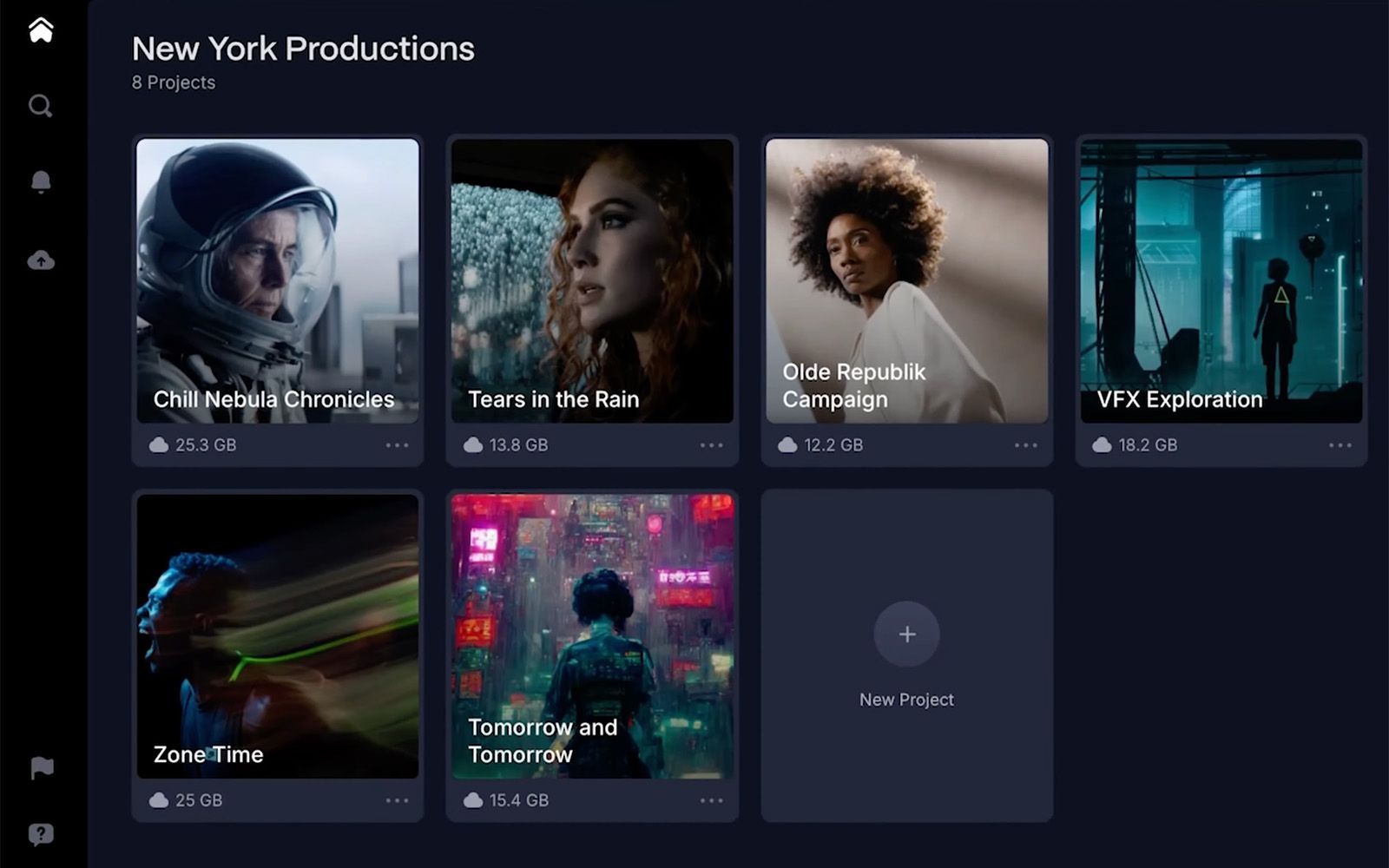
Frame.io is a video-first review and collaboration platform, now part of Adobe, built for frame-accurate feedback on moving work. Agencies producing motion, social video, and broadcast lean on it to get client sign-off on cuts.
Strengths
- Timecoded, frame-accurate comments and side-by-side version compare make video notes precise.
- Deep Adobe integration (Premiere Pro, After Effects) syncs edits and comments without exporting.
- Camera-to-cloud and branded share links get client eyes on a cut fast.
Limitations
- Storage caps feel tight on lower tiers, and per-seat costs climb as the team grows (a recurring G2 note).
- It is built for video, not for being the organized home of a mixed library of stills, PDFs, and brand files.
- Once a cut is approved, that finished asset still needs somewhere to live and stay findable.
Frame.io holds a 4.5 out of 5 on G2 at the time of writing. Published pricing at the time of writing: a free tier, Pro around $15 per member per month, and Team around $25 per member per month billed annually, with Enterprise on quote.
Brandfolder: best for brand asset distribution
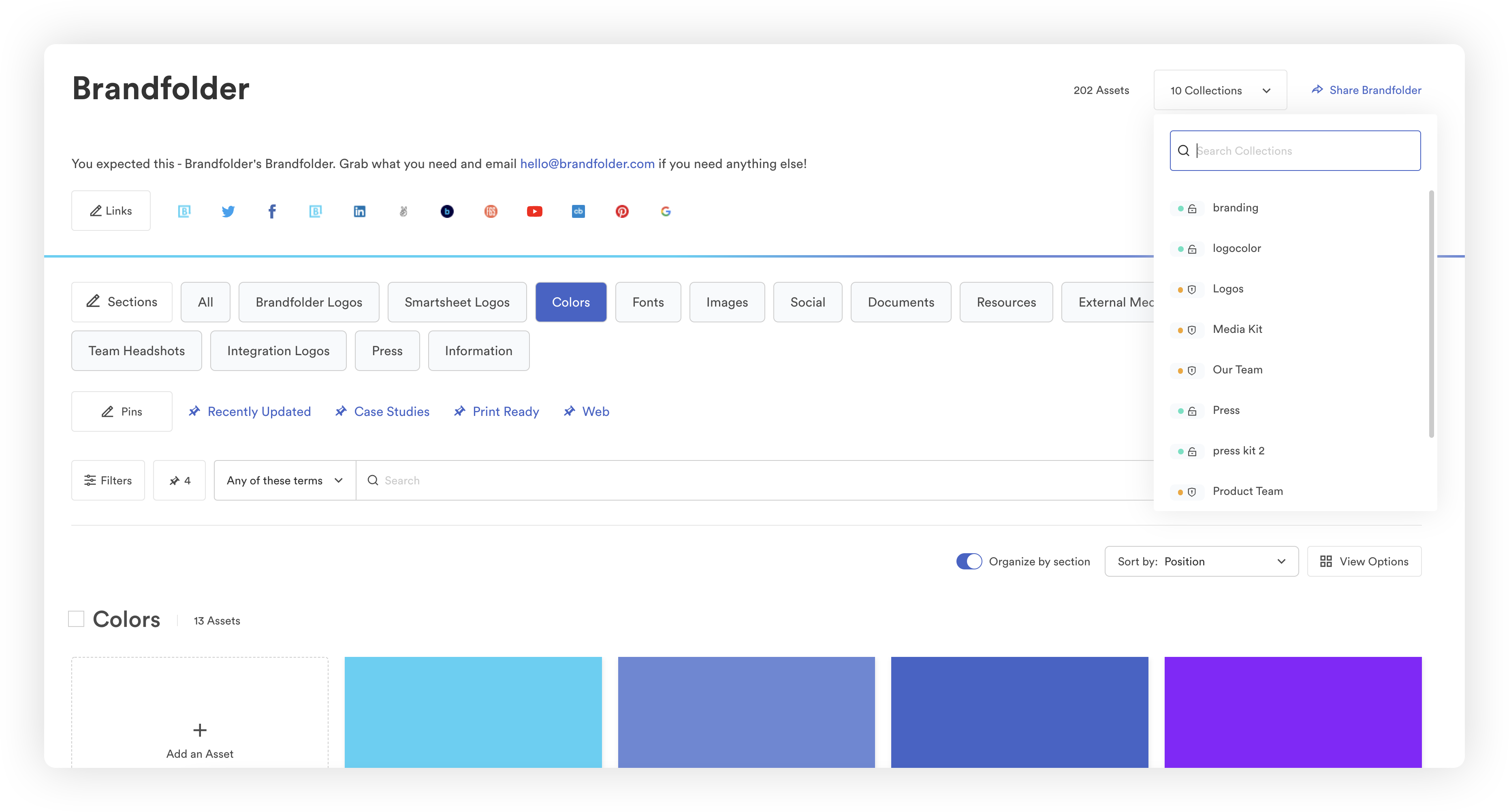
Brandfolder is an enterprise, brand-focused DAM built to store approved assets and distribute them to internal teams, partners, and clients. It shines when the job is keeping a large brand library on-message.
Strengths
- Polished, on-brand portals and guidelines make an approved-asset handoff look considered.
- Strong metadata, AI tagging, and usage analytics for big libraries.
- Broad integrations with creative and martech tools for distribution at scale.
Limitations
- Pricing is quote-only and sits at an enterprise budget, out of reach for many lean agencies.
- It is oriented around finished, approved brand assets more than active, in-progress creative.
- Per-second review is not its center of gravity, so agencies often bolt on a separate proofing tool.
Brandfolder rates 4.4 out of 5 on G2 at the time of writing. Pricing is quote-only; third-party listings at the time of writing put entry pricing in the four-figure-per-month range.
Bynder: best for enterprise brand management at scale
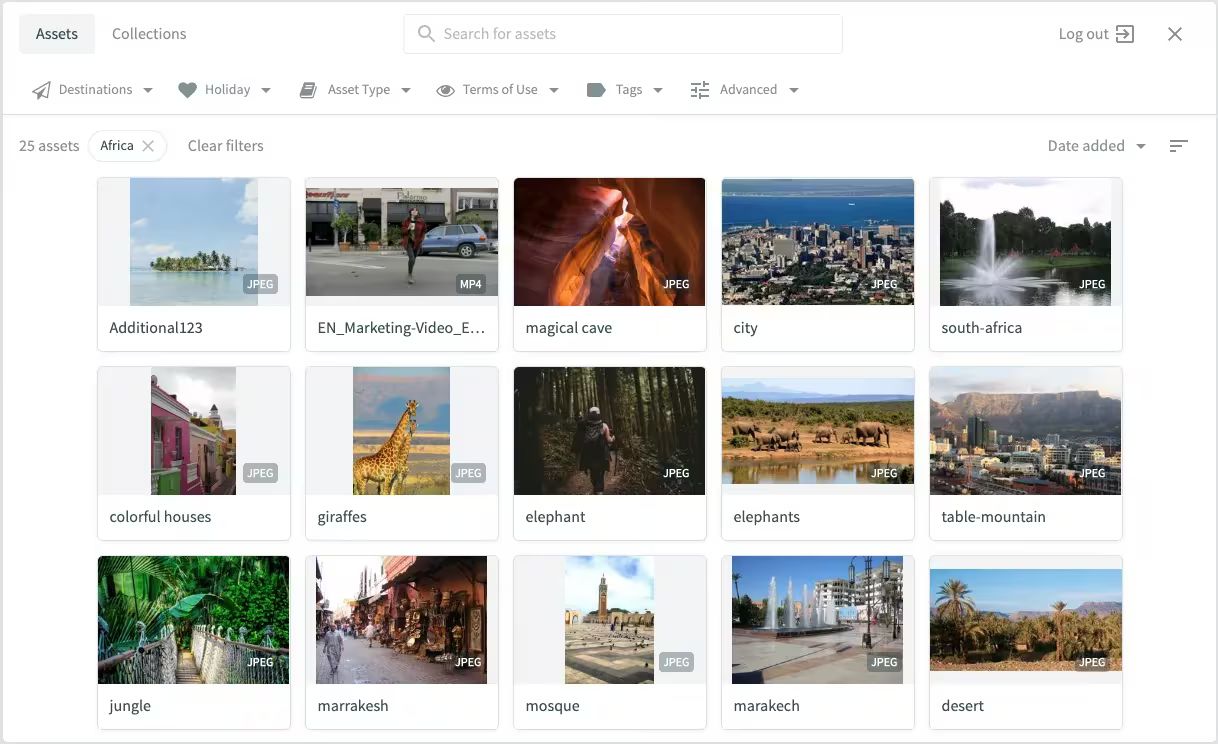
Bynder is an enterprise DAM and brand management suite aimed at large marketing organizations with complex governance needs.
Strengths
- Deep governance, workflow, and taxonomy controls for large teams.
- Modular add-ons (brand guidelines, creative workflow, core DAM) cover a lot of ground.
- Mature integrations and reporting.
Limitations
- Quote-based pricing that commonly runs into five figures a year, with notable annual escalations (third-party spend data).
- Implementation and onboarding can take weeks to months before the library is usable.
- The scale and process that suit a global brand can feel heavy for an agency that needs to move fast, per client.
Bynder holds a 4.4 out of 5 on G2 at the time of writing. Pricing is quote-only; third-party spend data at the time of writing shows mid-size deployments commonly landing between $25,000 and $75,000 per year.
Canto: best for mid-size teams wanting a traditional DAM
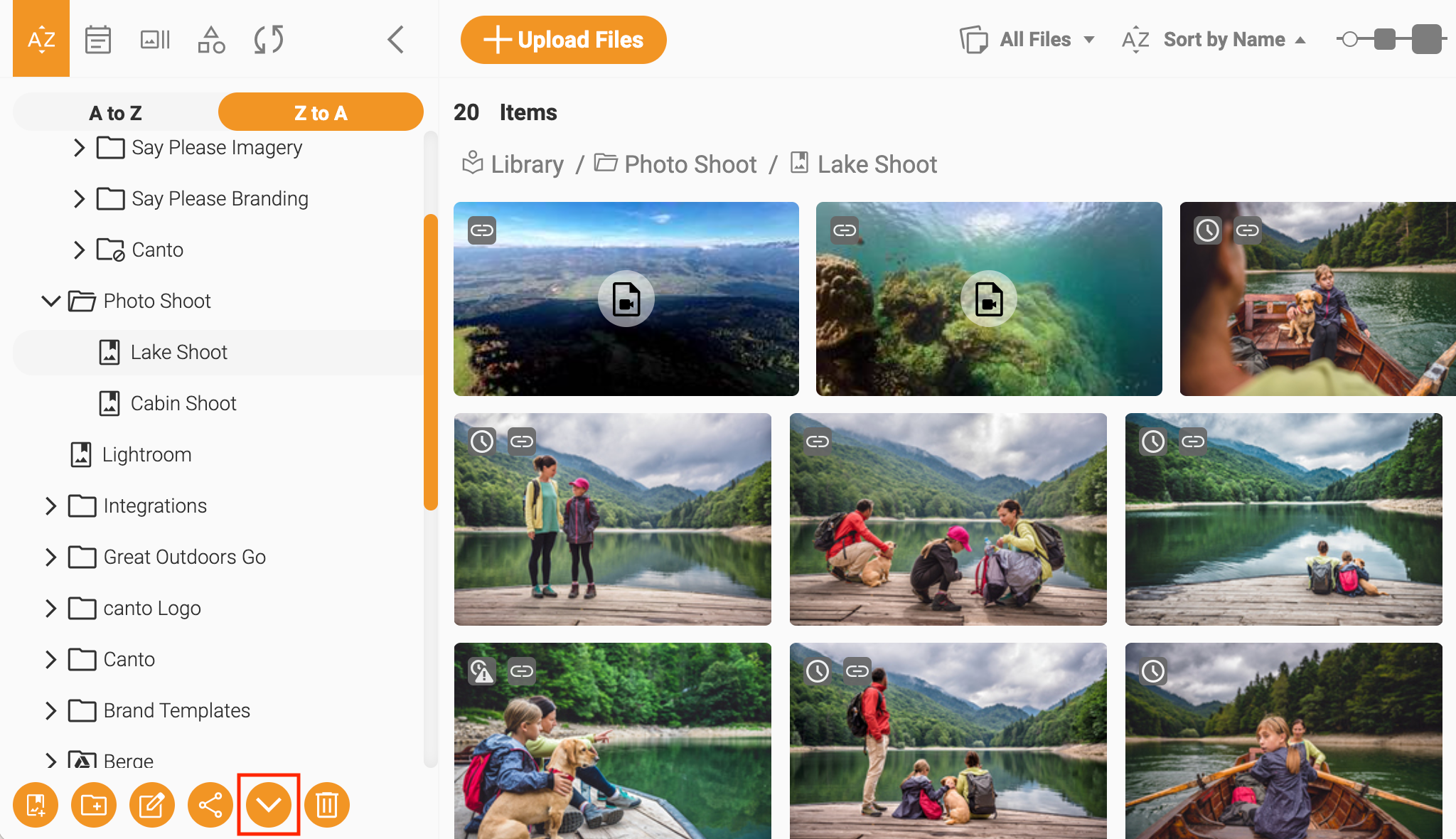
Canto is a well-established digital asset management platform popular with mid-size marketing and brand teams organizing large libraries.
Strengths
- Dependable tagging, search, and portal features for a shared asset library.
- More approachable than the heaviest enterprise DAMs.
- A large, well-reviewed customer base.
Limitations
- Pricing is quote-only, so budgeting starts with a sales conversation.
- Onboarding still takes real setup time before the library is fully organized.
- It is built more as a brand-team library than as an agency's client-delivery and review hub.
Canto rates 4.4 out of 5 on G2 across roughly 1,700 reviews at the time of writing. Pricing is quote-only; third-party listings at the time of writing suggest low five figures per year.
Dropbox: best for lightweight file delivery on a budget
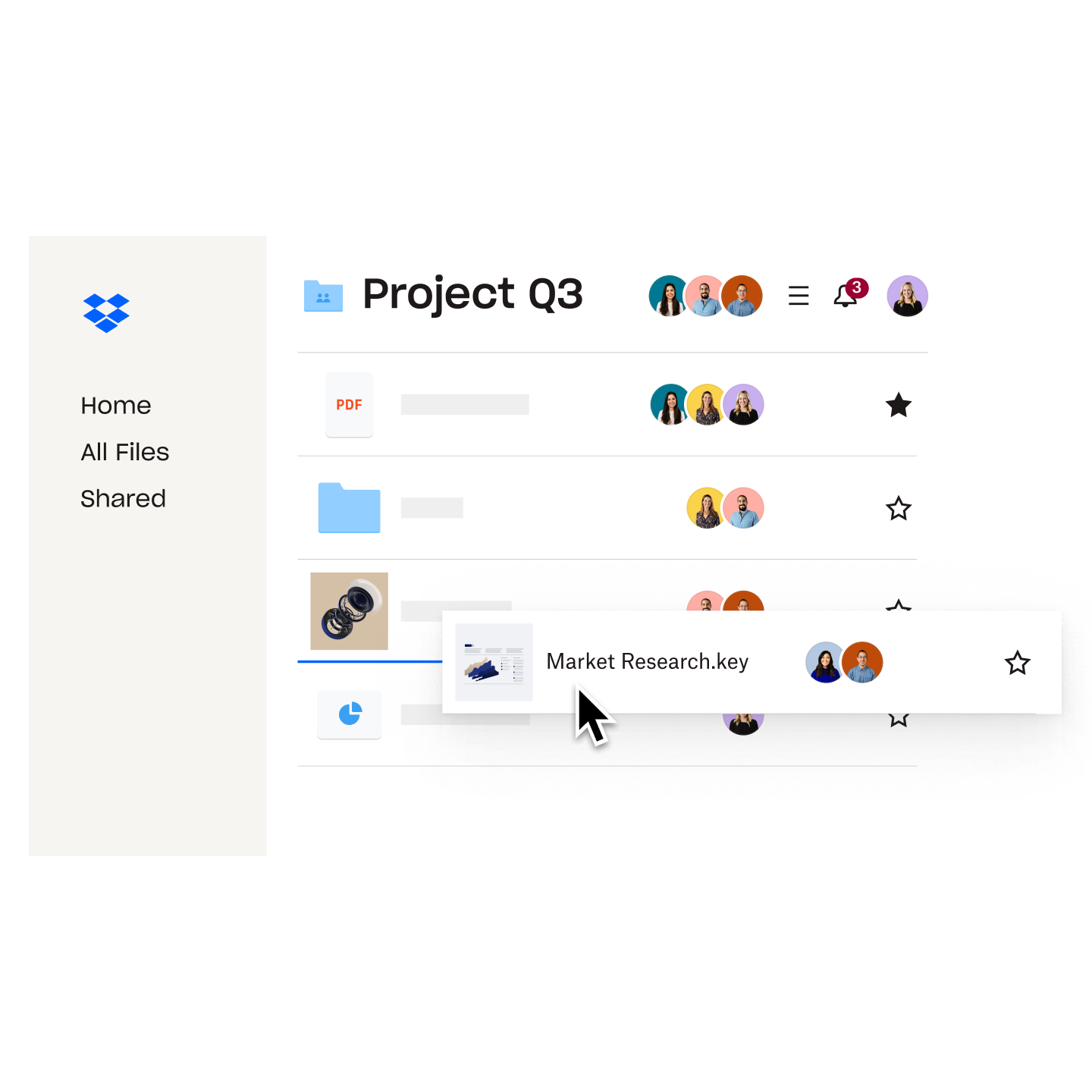
Dropbox is a cloud storage and file-sharing service that many agencies already use to send deliverables to clients.
Strengths
- Familiar, reliable sync and sharing that every client already knows.
- Transparent per-user pricing and generous storage on business plans.
- Easy large-file transfer and simple share links.
Limitations
- It is storage and sync, not a DAM: no visual search, AI tagging, or structured creative review.
- Feedback and approvals happen in email or add-on tools, not on the asset itself.
- Folders scale poorly once a library passes a few thousand assets across many clients.
Dropbox holds a 4.4 out of 5 on G2 at the time of writing. Business plans start around $15 per user per month at the time of writing, with a free tier and personal plans also available.
Playbook: best for agencies that deliver, collect feedback, and stay organized
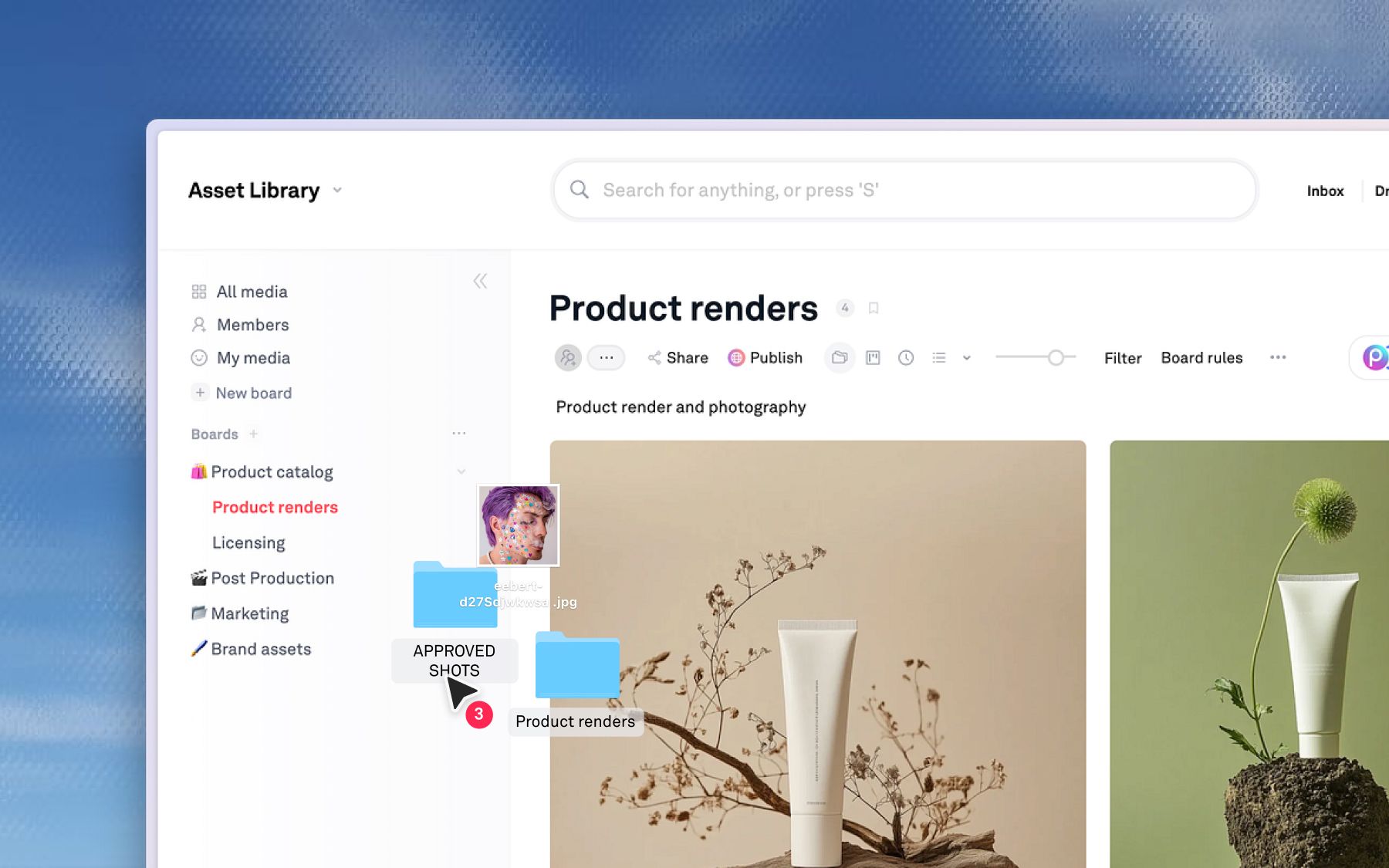
Playbook is a digital asset management and creative workflow platform built for the whole agency job: deliver polished client work, collect precise feedback, and keep every asset findable long after approval. It is not a review tool with storage attached, and not an archive with a search bar. It is the living home your creative work runs through, from first brief to final delivery. That framing is why teams evaluating an Air alternative for their agency end up here.
Deliver. Publish any board into a branded client gallery with your logo, cover, and custom slug, chosen from a large template library, no separate website tool required. Then layer link controls on top: password, expiry, watermark, and download toggles, so every client link is a controlled front door rather than an open one.
Collect feedback. Comments pin to the exact pixel, and on video they auto-attach to the exact frame and timecode, so "make the logo bigger on frame 00:42" is unambiguous. Approvals gate what a client sees on a shared link, which means one board can hold work-in-progress and client-ready work at once without a client ever seeing a rough cut.
Stay organized. Search your library by describing what an asset looks like, not by remembering a filename. Playbook Intelligence, the "talk to your creative files" assistant currently in private beta, can then act on the results: AI Organize auto-tags every image and video by subject, mood, and brand elements, and sidebar search lets you find what you need and act on it in one move.
The pricing edge matters for agencies: guests never take a paid seat. Reviewers, clients, and freelancers comment and download for free, unlimited on paid plans, so your bill scales with your team, not your collaborator list.
The proof is in agency libraries. Dorst & Lesser, a 75-person Amsterdam social agency, produces around 400 assets per week across 40 clients and 30-plus influencers, with 59,000-plus assets in Playbook. Co-Founder and Creative Director Robert Withagen notes, "One feature which is very nice is how you can give feedback per second." The Vault Stock, a creative stock platform with 50,000-plus assets, leans on AI search, visual filters, and embedded published pages to serve thousands of members. Creative 2IC Anna Hamilton says simply, "Playbook really ticks all the boxes for us."
Pricing is published, not gated. At the time of writing there is a free plan ($0, 100GB, up to 300 assets), Pro from $18 per member per month, Team from $25 per member per month (where Playbook Intelligence begins), and a flat $500 per month Business tier with unlimited members. See current numbers on the pricing page.
What to look for in an Air alternative for agencies
Pick the tool that answers the whole job, not just one moment of it. Five criteria separate a real agency DAM from a point solution:
- Client delivery that looks like your brand. A deliverable should feel like a considered, on-brand page, not a raw file dump or a generic link.
- Feedback that lands on the exact frame and pixel. Pinned annotations and timecoded video comments remove the round-trips that vague, file-level notes create.
- A home for assets after approval, not just during review. The asset outlives the review. It needs to stay searchable and reusable next quarter.
- Pricing that does not meter your reviewers. Agencies invite clients and freelancers constantly; paying per guest punishes how agencies actually work.
- Fast to start, no multi-month rollout. Self-serve setup beats a quarter-long implementation when you need to onboard a new client this week.
Playbook was built to land on all five, which is why it closes this list rather than sitting in the middle of it.
Air alternatives for creative agencies FAQs
What is the best Air alternative for creative agencies?
For most agencies, Playbook is the best Air alternative because it covers delivery, feedback, and organization in one library. Frame.io is the stronger pick if your work is almost entirely video review, while Bynder and Canto suit large brand teams that need heavy governance over an approved-asset library.
What is the best free or cheapest Air alternative?
Playbook's free plan is the cheapest full-featured option at the time of writing: $0 with 100GB and up to 300 assets, and guests review and download without taking a paid seat. Dropbox and Frame.io also offer free tiers, but they cover storage or video review only, not the full DAM job.
Is Frame.io or Playbook better for agency client review?
It depends on your work. Frame.io is video-first and excellent for frame-accurate cut review. Playbook handles video comments and approvals too, and adds stills, PDFs, branded client galleries, and an organized, searchable library, so it fits agencies whose deliverables are not only video.
Do these Air alternatives charge for client and guest reviewers?
Many DAM and review tools meter reviewer seats or gate pricing behind a quote. Playbook is the clear exception: guests comment, review, and download without taking a paid seat, so inviting the whole review chain does not raise your bill.
How is Playbook different from Air?
Both are creative-built DAMs with strong interfaces. Playbook differentiates on talk-to-your-files AI search (in private beta), free guests that never take a paid seat, and fully published pricing. See the detailed Playbook vs Air comparison for a side-by-side breakdown.
Ready to see it on your own work? Schedule a demo and watch an agency deliver, review, and organize in a single library.