
If you are searching for the best Air alternatives for marketing teams, the short answer is that the right pick depends on the job you are hiring the tool to do: enforce brand consistency, manage campaign assets, or distribute finished work across channels and partners. This guide covers five reputable Air.inc alternatives for marketing teams (Frontify, Bynder, Canto, Brandfolder, and Cloudinary), each rated and priced at the time of writing, then closes with Playbook, which reframes the question around finding and reusing on-brand assets fast.
Air is a creative operations platform, and a strong one. More than 2,500 brands run it as a system of record, and its auto-tagging, version and approval tracking, and AI-assisted Air Canvas genuinely help creative and marketing teams organize work and scale it across channels. Air treats seats generously, and its free plan is usable. None of that is in dispute here.
Marketing teams still shop around for honest reasons. Air meters storage in credits rather than flat terabytes, which some teams find harder to forecast, and paid tiers step up quickly in price. Every marketing org is also solving a slightly different problem, whether that is a dedicated brand-guidelines hub, mid-market self-serve, or developer-grade media delivery. The best alternative is the one that fits your job, not a single universal winner.
Here are five options worth evaluating in 2026, re-ranked for marketing teams, plus a final one that rethinks the question. If you would rather see the reuse-first approach on your own library, schedule a demo.
1. Frontify: best for brand guidelines and brand consistency
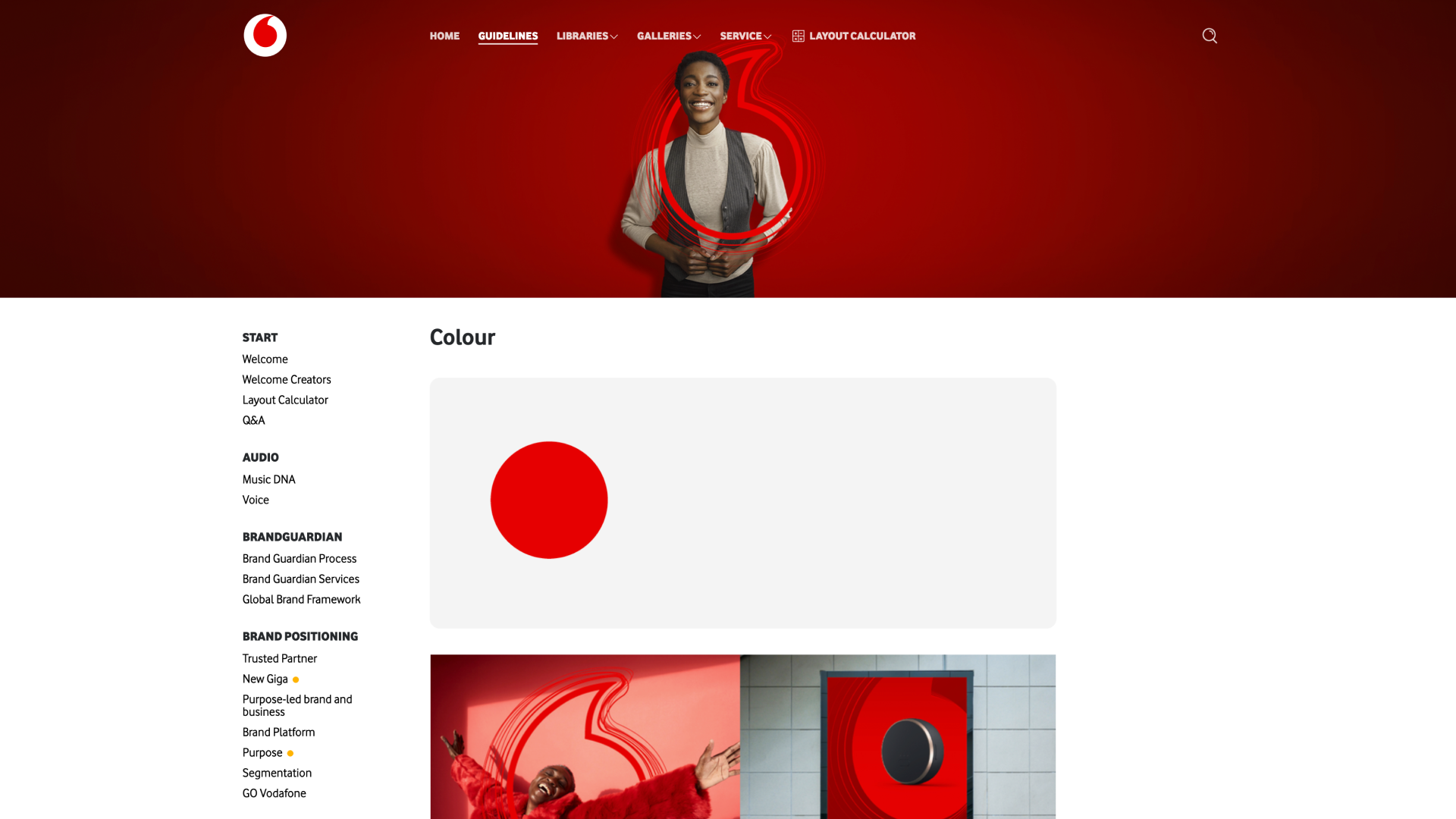
Frontify is a brand management platform that pairs living brand guidelines with a digital asset library, so distributed marketing teams can keep every campaign on-brand from one hub. It is often the first stop for a brand lead who wants tighter brand control.
Strengths
- A polished, living brand-guidelines hub that keeps logos, colors, and usage rules in one referenceable place.
- Strong templating and brand-consistency controls that help scattered teams stay on message.
- A clean, approachable interface and responsive customer support that reviewers consistently praise.
Limitations
- The DAM is secondary to the guidelines product, and reviewers note search can degrade as libraries grow.
- Pricing is quote-based and climbs steeply for larger teams.
- Best when your priority is brand rules, less so when the daily job is finding and reusing thousands of campaign assets fast.
Frontify holds a 4.5 out of 5 on G2 at the time of writing. Frontify does not publish fixed pricing; third-party estimates put entry plans around $1,200 to $1,800 per year, rising to roughly $8,000 to $15,000 for growing teams, at the time of writing.
2. Bynder: best for large enterprise marketing operations
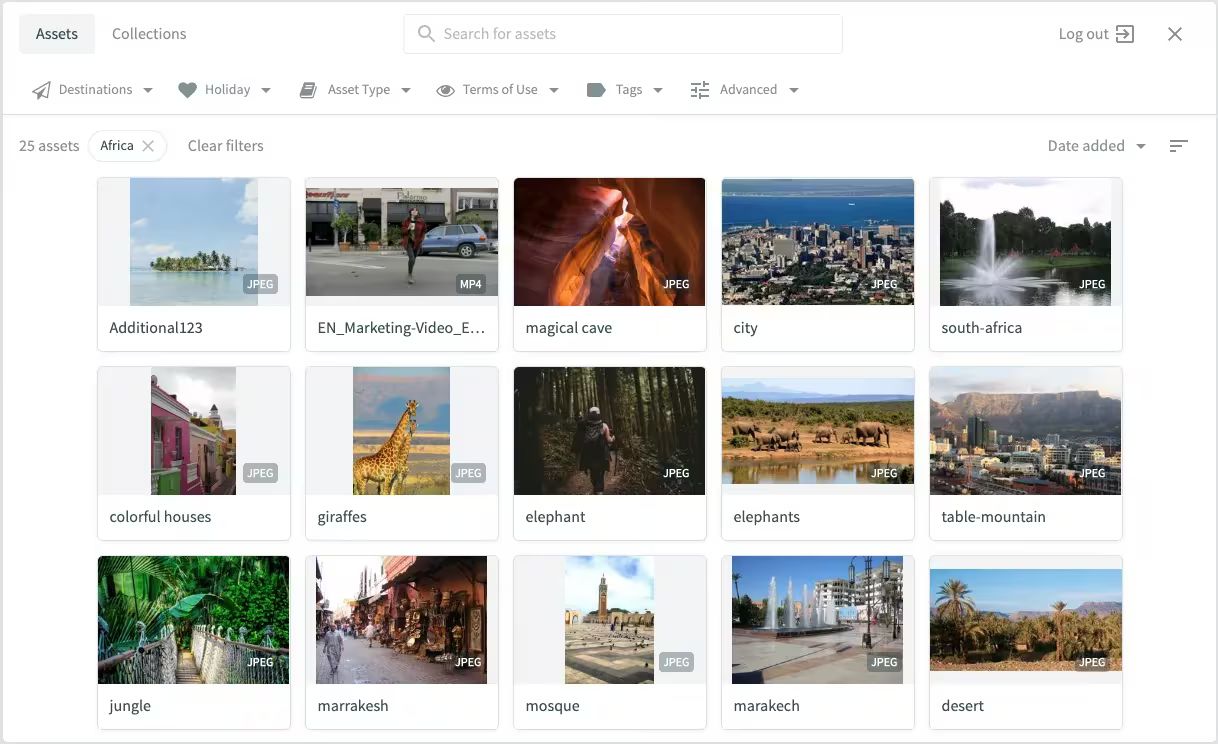
Bynder is an enterprise digital asset management platform built for large marketing organizations that need governance, integrations, and scale across many brands and regions.
Strengths
- Enterprise-grade governance, permissions, and workflow depth.
- Strong AI search and tagging, with top marks for cross-system integration.
- A recognized Gartner Magic Quadrant Leader with deep adoption among global brands.
Limitations
- Pricing is quote-only, and setup can be time-consuming and costly.
- Frequently described as expensive and heavy for smaller or leaner marketing teams.
- Powerful once implemented, but the runway to value is long when you just need assets findable now.
Bynder holds a 4.5 out of 5 on G2 across more than 1,100 reviews at the time of writing. Bynder does not publish pricing; plans are quote-only at the time of writing.
3. Canto: best for mid-market marketing libraries and self-serve
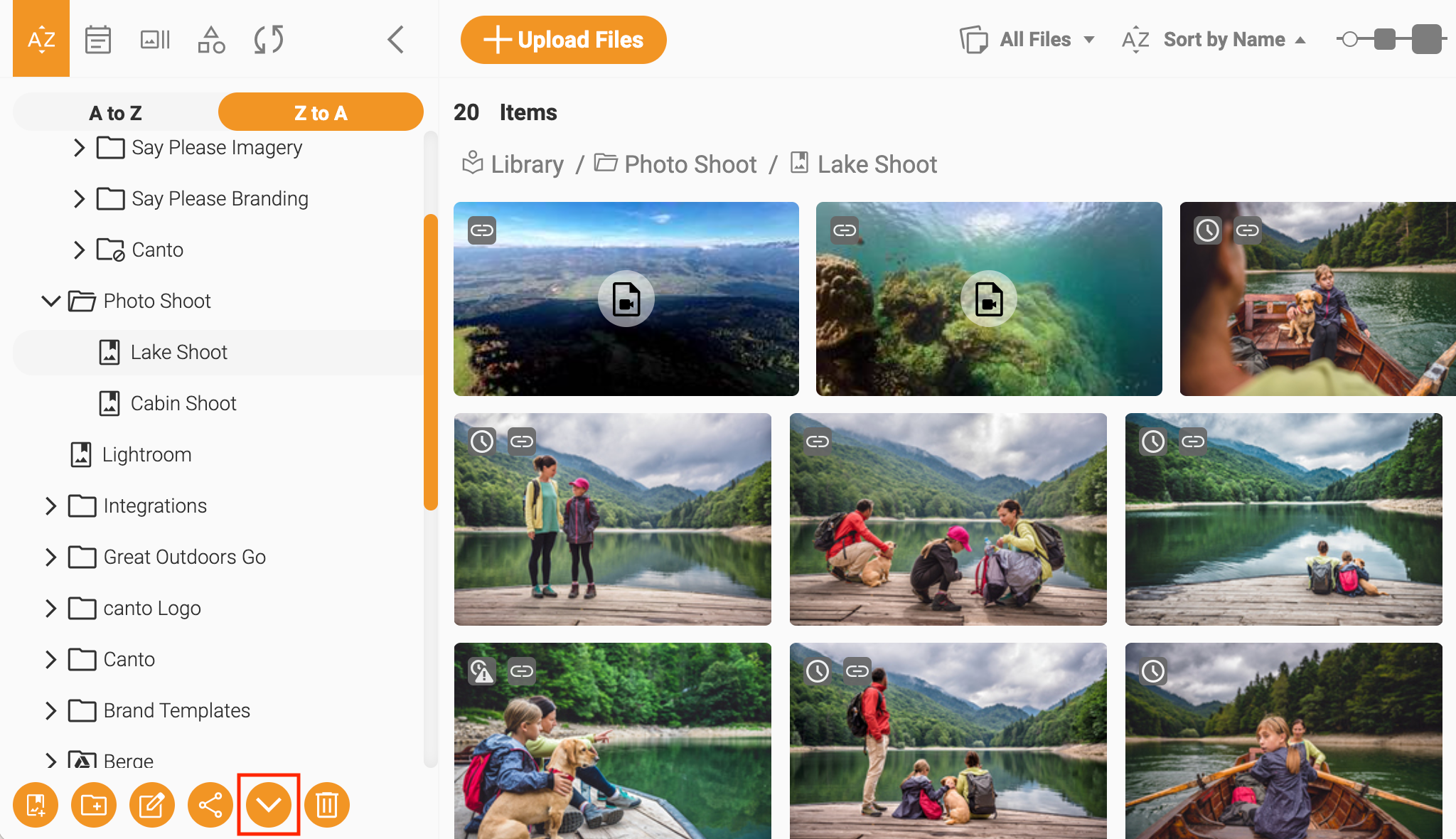
Canto is a mid-market digital asset management platform known for search, tagging, and metadata that let wider marketing teams self-serve assets without constant oversight.
Strengths
- Reliable search, tagging, and metadata that keep large libraries findable.
- Good self-serve access, so non-designers can pull approved assets themselves.
- An all-inclusive feature set with facial recognition and licensing tools.
Limitations
- Pricing is quote-only, reportedly starting in the low five figures per year.
- Setup is slow, and the library only stays organized if everything is tagged carefully from day one.
- Some capabilities arrive as paid add-ons, so the total can grow as needs do.
Canto holds a 4.5 out of 5 on G2 across more than 1,600 reviews at the time of writing. Canto does not publish pricing; third-party sources report it starting in the low five figures per year, at the time of writing.
4. Brandfolder: best for branded distribution portals
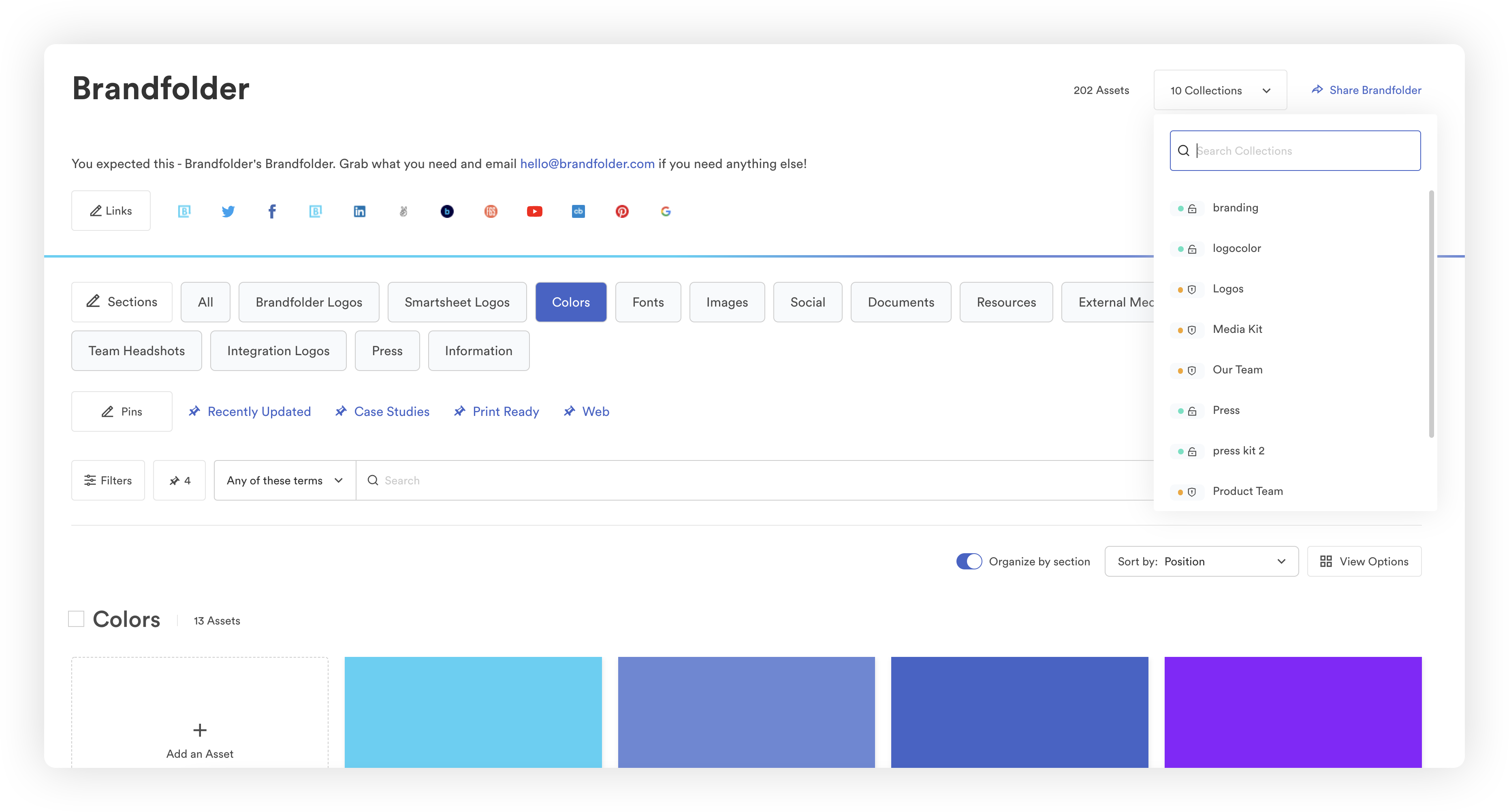
Brandfolder is a digital asset management platform, part of Smartsheet, built around visually polished portals for distributing on-brand assets to teams and partners.
Strengths
- An elegant, fast interface with nested collections and granular permissions.
- Strong branded distribution portals for delivering assets to stakeholders.
- A natural fit for enterprise brand teams already in the Smartsheet ecosystem.
Limitations
- Pricing is quote-based, reportedly $500 to $1,200 or more per month on annual contracts, with implementation fees.
- Some long-time reviewers feel the core product has not evolved much in recent years.
- Great for pushing approved assets out, less focused on the messy find-and-reuse work that happens before approval.
Brandfolder holds a 4.4 out of 5 on G2 at the time of writing. Brandfolder does not publish pricing; third-party sources report roughly $500 to $1,200 or more per month on annual contracts, plus implementation, at the time of writing.
5. Cloudinary: best for developer-led, omni-channel media delivery

Cloudinary is a developer-first media platform with DAM built in, focused on transforming and delivering images and video across every channel at scale.
Strengths
- Best-in-class image and video transformation with fast CDN delivery.
- A genuinely generous free tier that supports real workloads.
- API-first, ideal when engineering controls how media appears on web and app.
Limitations
- Built by developers for developers, so the DAM is secondary to the media pipeline.
- Credit-based pricing can block new uploads once limits are hit.
- A strong delivery engine, but not the on-brand library a marketing team browses day to day.
Cloudinary holds a 4.4 out of 5 on G2 at the time of writing. Cloudinary offers a free tier, and paid plans start at $89 per month billed annually, at the time of writing.
Playbook: the on-brand library marketing teams actually search
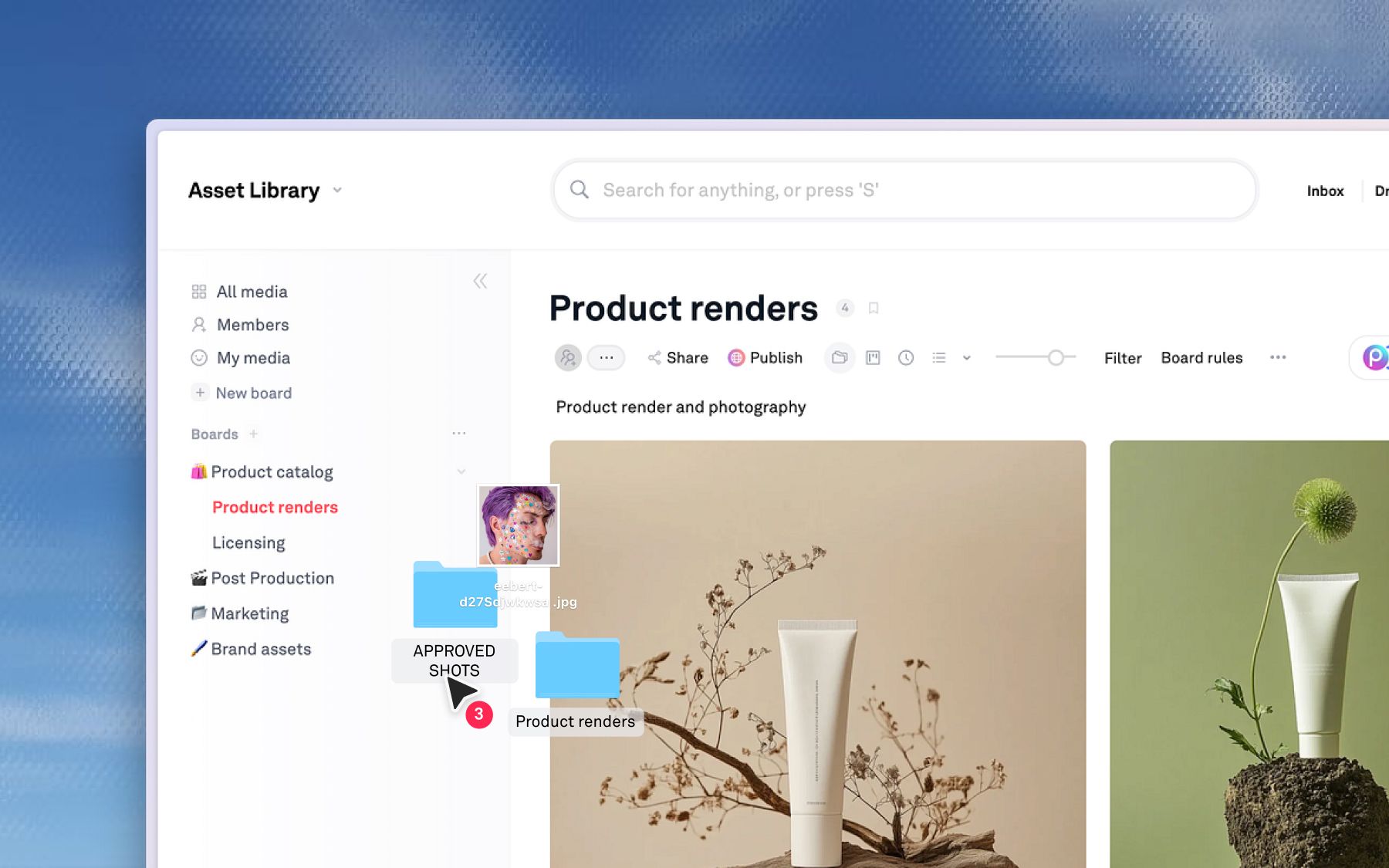
Playbook is a digital asset management and creative workflow platform that gives marketing teams one on-brand source of truth, then makes finding, reusing, and distributing assets the fast part of the job. The five tools above mostly answer "where do we store and govern brand assets?" Playbook answers a different question: "how do we find the right asset and reuse it before the deadline?"
Start with finding. Instead of remembering a filename, you describe what you need in plain language, like "moody product shots from the spring campaign," and Playbook's AI search returns it by reading what the image actually looks like. The moment an asset lands, Playbook auto-tags every image and video across 16+ dimensions (visual style, color, campaign, product, talent, usage rights), so your brand library knows what is in it. These AI features are marketed under Playbook Intelligence, currently in private beta.
Governance happens at the door, not in cleanup. Board upload rules auto-apply tags and statuses and can require fields like license or expiry before a file counts as complete, so a shared board stays on-brand by construction. Rules are per board today, not org-wide. After approval, distribution is one motion: publish any board as a branded portal or client gallery from 1000+ templates, embed a live board on a campaign page, and use approvals to gate exactly what external viewers see. An insights dashboard shows views and downloads. Reviewers, clients, and agency partners comment and download without taking a paid seat, with unlimited guests on paid plans (the free plan includes 3).
This is how marketing teams already run it. WBD Sports brought TNT Sports, Eurosport, and Bleacher Report onto Playbook, cut legal review from four rounds to two, reduced asset requests by about 50%, and published brand portals per market; VP of Marketing David Bret says the objectives he set for an agile DAM, brand portals, and campaign QA are "100% met." At Opendoor, a design team managing 10,000+ brand assets reports 50 to 70% less time spent searching, and Nicolas Solerieu says, "With Playbook, we're really aligned."
Pricing is published, with no contact-sales wall. The free plan is genuinely usable (100GB, up to 300 assets, no credit card). Paid plans start around $120 per year for Pro; Playbook Intelligence starts on the Team plan (about $240 per year per member); Business is a flat $4,800 per year with unlimited members, SSO, and API access; Enterprise adds custom roles and dedicated support. Numbers are accurate at the time of writing, so confirm the latest on the pricing page. For more, see how marketing teams scale on a DAM, read the Playbook vs Air comparison, or explore Playbook for consumer and marketing brands.
What to look for in an Air alternative for marketing teams
Five criteria separate a storage bucket from a library your marketing team will actually use.
- Does it make assets findable, not just stored? A marketing library is only as good as its search. Favor AI or semantic search that works from a description, not a filename.
- Who does the filing? If tagging is manual, the library decays. Favor tools that auto-tag on upload and let you set rules so labeling happens at the door.
- What happens after approval? Storing approved work is table stakes. The real job is distributing it through branded portals, live embeds, and galleries that stay in sync with the source.
- Does pricing scale with your team or punish it? Look for published pricing and a real free plan instead of a quote wall you cannot budget against.
- Can partners and clients participate for free? Marketing runs on agencies and reviewers. Per-seat meters on collaborators quietly tax every review round.
Frequently asked questions
What is the best free Air alternative for marketing teams?
Playbook and Cloudinary both offer usable free plans. Playbook's free plan includes 100GB and up to 300 assets with no credit card, plus 3 guests, and is built as an on-brand library marketing teams can search. Cloudinary's free tier suits developer-led media delivery. Details are accurate at the time of writing.
What is the cheapest Air alternative?
Among options with published pricing, Playbook is one of the most affordable, with Pro starting around $120 per year at the time of writing and a genuinely free tier. Enterprise DAMs like Bynder, Canto, and Brandfolder are quote-only, so total cost is harder to predict before a sales call.
Is Playbook a good DAM for marketing teams specifically?
Yes. Playbook is a digital asset management and creative workflow platform used by marketing teams at Opendoor and WBD Sports to find, reuse, and distribute on-brand assets. It pairs AI search and auto-tagging with branded portals, approvals, and free guest access for agency partners.
What should a marketing team look for in an Air alternative?
Prioritize findability through AI search, automatic tagging so the library does not decay, on-brand distribution after approval through portals and embeds, transparent pricing, and free access for reviewers and agency partners. The best fit depends on whether your main job is brand rules, enterprise governance, or fast reuse.
Do these Air alternatives support brand consistency and governance?
Yes, though differently. Frontify centers on brand guidelines, Bynder and Canto on enterprise governance, and Brandfolder on distribution portals. Playbook enforces consistency at upload with board rules and approvals while keeping the whole library searchable. Verify each tool's current features before deciding.
Your brand's creative work is a living, breathing beast, and your library should keep up with it. See how fast your team can find and reuse on-brand assets: schedule a demo.